
Exploring phytochemical diversity
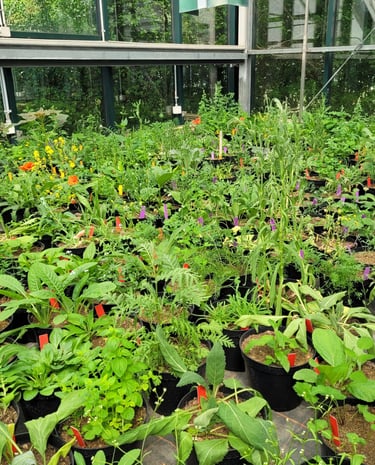
Plants live embedded in complex ecological networks involving herbivores, microbes, fungi, pollinators, and neighboring plants. As sessile organisms, they rely on an extraordinary diversity of specialized metabolites to sense, respond to, and shape their biotic and abiotic environment. This chemical diversity integrates evolutionary history, environmental variation, and ecological pressures, and plays a central role in structuring species interactions and ecosystem dynamics. Yet, despite its importance, the vast majority of plant chemical diversity remains unexplored, leaving a major gap in our understanding of how ecosystems function. Our goal is to explore and characterize this tremendous chemical space, to achieve a more integrated understanding of natural systems and to harness this knowledge for the development of solutions to major challenges faced by human societies.
Objectives
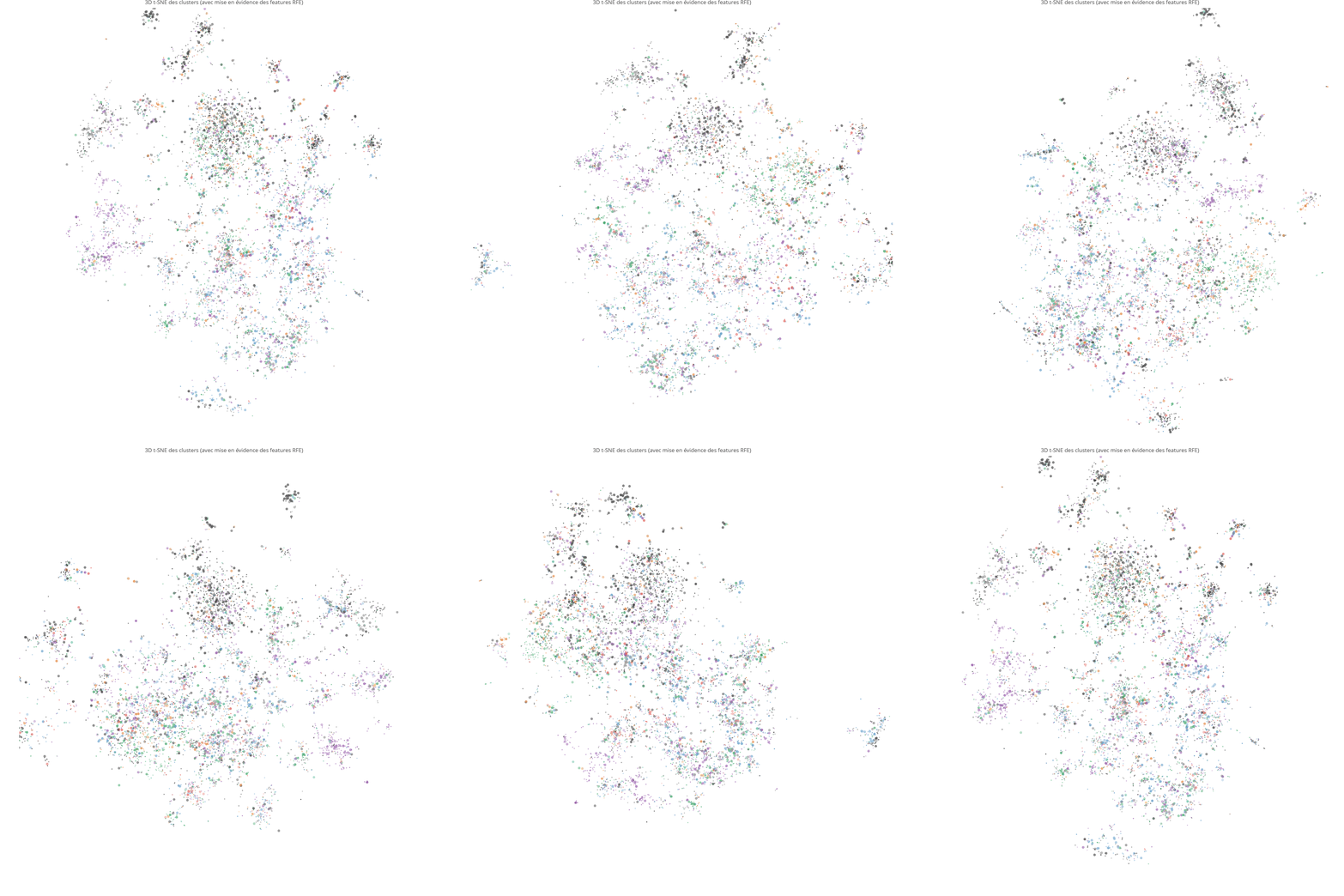
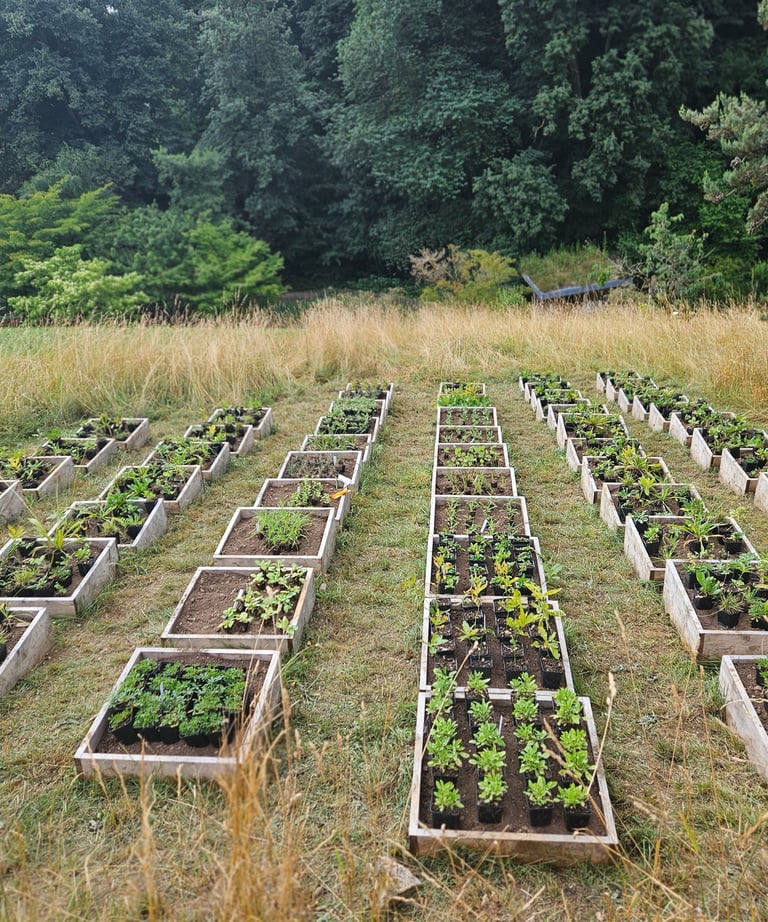
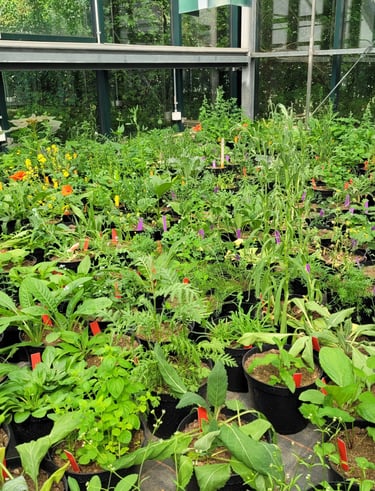
Our research aims to uncover how plant chemical diversity mediates interactions across ecological scales. We seek to (i) exhaustively characterize the chemical compounds and molecular families involved in plant–plant, plant–insect, and plant–microbe interactions, and to identify the environmental and evolutionary drivers shaping this chemical variation; (ii) develop novel, integrative, and accessible tools to describe, organize, and interpret the vast diversity of chemical structures occurring in nature; (iii) apply insights from chemical ecology and eco-metabolomics to address societal challenges, including sustainable agriculture, biodiversity conservation, and ecosystem management.
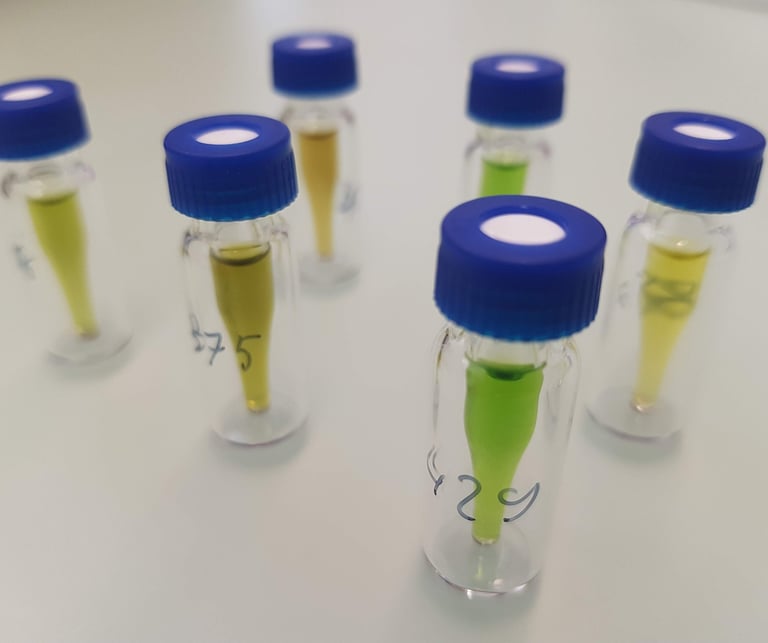
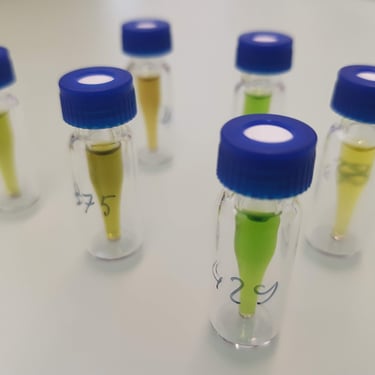
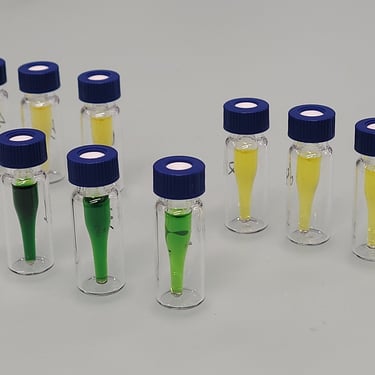
We combine high-resolution metabolomics with computational and data-driven approaches to explore plant chemical diversity at scale. Our toolbox includes untargeted LC-MS and VOC analyses, multivariate statistics, machine learning, and knowledge-graph-based integration of chemical, ecological, and phylogenetic data. Through the development of open-access bioinformatic tools and global initiatives such as the Earth Metabolome Initiative, we aim to make eco-metabolomic analyses more accessible.
Tools & Approaches
Publications
ORCID: 0000-0002-3279-9190
Google Scholar: https://scholar.google.com/citations?user=g7WY2mYAAAAJ&hl=fr&oi=ao
Under review & Preprint
Tandon, D., Mendes De Farias, T., Allard, P.-M., & Defossez, E. METRIN-KG: A knowledge graph integrating plant metabolites, traits and biotic interactions. (Submitted to GigaScience).
Liang, Y., Podolec, R., Chappuis, R., Defossez, E., Glauser, G., Rötzer, J., Dolan, L., Stolze, S. C., Nakagami, H., Demarsy, E., & Ulm, R. Conservation and divergence of UVR8-COP1/SPA-HY5 signaling in UV-B responses of Marchantia polymorpha (Submitted to Plant Cell).
Chen, M., Raisin, A., Judkins, N., Allard, P. M., Defossez, E., Stumpe, M., ... & Reinhardt, D. (2024). Sanctioning of bacterial cheaters by the host plant in nitrogen-fixing symbiosis between Medicago truncatula and Sinorhizobium meliloti. bioRxiv, 2024-09.
Arce, C. C., Mamin, M., Röder, G., Kanagendran, A., Degen, T., Defossez, E., ... & Turlings, T. C. (2024). Odor-based real-time detection and identification of pests and diseases attacking crop plants. bioRxiv, 2024-07. (under review in Cell)
Gomes, P. W. P., Mannochio-Russo, H., Schmid, R., Zuffa, S., Damiani, T., Quiros-Guerrero, L. M., ... & Dorrestein, P. C. (2024). plantMASST-Community-driven chemotaxonomic digitization of plants. bioRxiv.
Published
Nomoto, H., Fernandez-Conradi, P., Kjelsberg, N., Defossez, E., Munzbergova, Z., Glauser, G., & Rasmann, S. (2025). Experimental manipulation mimics intraspecific metabolomic differentiation in natural populations distributed along elevation gradients (under review in Plant Biology).
Moreira, X., Van den Bossche, A., Moeys, K., Van Meerbeek, K., Thomaes, A., Vázquez-González, C.,.., Defossez, E.,... & De Frenne, P. (2024). Variation in insect herbivory across an urbanization gradient: The role of abiotic factors and leaf secondary metabolites. Plant Physiology and Biochemistry, 215, 109056.
Walker, T. W., Schrodt, F., Allard, P. M., Defossez, E., Jassey, V. E., Schuman, M. C., ... & Peñuelas, J. (2023). Leaf metabolic traits reveal hidden dimensions of plant form and function. Science Advances, 9(35), eadi4029.
Duthé, V., Odendaal, K., Van der Westhuizen, R., Church, B., Naylor, S., Boshoff, S., ... & Defossez, E. (2023). Reductions in home-range size and social interactions among dehorned black rhinoceroses (Diceros bicornis). Proceedings of the National Academy of Sciences, 120(25), e2301727120.
*Defossez, E., Bourquin, J., von Reuss, S., Rasmann, S., & Glauser, G. (2023). Eight key rules for successful data‐dependent acquisition in mass spectrometry‐based metabolomics. Mass Spectrometry Reviews, 42(1), 131-143.
* Most cited 2023
Pitteloud, C., Defossez, E., Albouy, C., Descombes, P., Rasmann, S., & Pellissier, L. (2023). DNA‐based networks reveal the ecological determinants of plant–herbivore interactions along environmental gradients. Molecular Ecology, 32(23), 6436-6448.
Wolfender, J. L., Gaudry, A., Rutz, A., Quiros-Guerrero, L. M., Nothias, L. F., Queiroz, E. F., ... & Allard, P. M. (2022). Metabolomics in ecology and bioactive natural products discovery: challenges and prospects for a comprehensive study of the specialised metabolome. Chimia, 76(11), 954-963.
Allard, P. M., Gaudry, A., Quirós-Guerrero, L. M., Rutz, A., Dounoue-Kubo, M., Walker, T. W., Defossez, E., … & Wolfender, J. L. (2023). Open and reusable annotated mass spectrometry dataset of a chemodiverse collection of 1,600 plant extracts. GigaScience, 12, giac124.
Orine, D., Defossez, E., Vergara, F., Uthe, H., van Dam, N. M., & Rasmann, S. (2022). Arbuscular mycorrhizal fungi prevent the negative effect of drought and modulate the growth‐defence trade‐off in tomato plants. Journal of Sustainable Agriculture and Environment.
T.W.N Walker, Alexander, JM., Allard, PM., Baines, O., Baldy, V., Bardgett, RD., Capdevila, P., Coley, PD., David, B., Defossez, E., Ernst, M., Fernandez, C., Forrister, D., Gargallo-Garriga, A.,Jassey, V., Marr, S., Neumann, S., Pellissier, L., Peñuelas, J., Peters, K., Rasmann, S., Roessner, U., Sardans, J., Schrodt, F.,Schuman, MC., Soule, A., Uthe, H., Weckwerth, W., Wolfender, JL., Van Dam, NM & Salguero-Gómez, R., (2022). Functional Traits 2.0: The power of the metabolome for ecology. Journal of Ecology, 110(1), 4-20.
†Fernandez‐Conradi, P., †Defossez, E., Delavallade, A., Descombes, P., Pitteloud, C., Glauser, G., ... & Rasmann, S. (2021). The effect of community‐wide phytochemical diversity on herbivory reverses from low to high elevation. Journal of Ecology.
† Shared first co-authorship
Defossez, E., Pitteloud, C., Descombes, P., Glauser, G., Allard, P. M., Walker, T. W., Fernandez-Conradi, P., Wolfender, JL., Pellissier, L.,& Rasmann, S. (2021). Spatial and evolutionary predictability of phytochemical diversity. Proceedings of the National Academy of Sciences, 118(3).
Descombes, P., Pitteloud, C., Glauser, G., Defossez, E., Kergunteuil, A., Allard, P. M., Rasmann, S & Pellissier, L. (2020). Novel trophic interactions under climate change promote alpine plant coexistence. Science, 370(6523), 1469-1473.
Bakhtiari, M., Glauser, G., Defossez, E., & Rasmann, S. (2021). Ecological convergence of secondary phytochemicals along elevational gradients. New Phytologist, 229(3), 1755-1767.
Duthé, V., Defossez, E., van der Westhuizen, R., Glauser, G., & Rasmann, S. (2020). Out of scale out of place: Black rhino forage preference across the hierarchical organization of the savanna ecosystem. Conservation Science and Practice, 2(5), e191.
M. Pardos, M. del Río, H. Pretzsch, H. Jactel, K. Bielak, F. Bravo, G. Brazaitis, E. Defossez, M. Engel, K. Godvod, K. Jacobs, L. Jansone, A. Jansons, X. Morin, A. Nothdurft, L. Oreti, Q. Ponette, M. Pach, J. Riofrío, R. Ruíz-Peinado, A. Tomao, E. Uhl, R. Calama, (2020). The greater resilience of mixed forests to drought mainly depends on their composition: Analysis along a climate gradient across Europe. Forest Ecology and Management, 481, 118687.
Jourdan, M., Piedallu, C., Baudry, J., Defossez, E., & Morin, X. (2020). Tree diversity and the temporal stability of mountain forest productivity: testing the effect of species composition, through asynchrony and overyielding. European Journal of Forest Research, 1-14.
Pilar, F. C., Loïc, M., Defossez, E., & Rasmann, S. (2020). Seasonal changes in arthropod diversity patterns along an Alpine elevation gradient. Ecological Entomology.
Robert, C. A., Pellissier, L., Moreira, X., Defossez, E., Pfander, M., Guyer, A., ... & Rasmann, S. (2019). Correlated Induction of Phytohormones and Glucosinolates Shapes Insect Herbivore Resistance of Cardamine Species Along Elevational Gradients. Journal of chemical ecology, 1-11.
Xiao, Z., Jiang, L., Chen, X., Zhang, Y., Defossez, E., Hu, F., ... & Rasmann, S. (2019). Earthworms suppress thrips attack on tomato plants by concomitantly modulating soil properties and plant chemistry. Soil Biology and Biochemistry, 130, 23-32.
Defossez, E., Pellissier, L., & Rasmann, S. (2018). The unfolding of plant growth form‐defence syndromes along elevation gradients. Ecology letters, 21(5), 609-618.
Pellissier, L., Descombes, P., Hagen, O., Chalmandrier, L., Glauser, G., Kergunteuil, A., Defossez, E., & Rasmann, S. 2018. Growth‐competition‐herbivore resistance trade‐offs and the responses of alpine plant communities to climate change. Functional ecology, 32(7), 1693-1703.
Callis-Duehl, K., Vittoz, P., Defossez, E., & Rasmann, S. (2017). Community-level relaxation of plant defenses against herbivores at high elevation. Plant Ecology, 218(3), 291-304.
Kergunteuil, A., Bakhtiari, M., Formenti, L., Xiao, Z., Defossez, E., & Rasmann, S. (2016). Biological control beneath the Feet: A review of crop protection against insect root herbivores. Insects, 7(4), 70.
Defossez, E., Courbaud, B., Lasbouygues, O., Schiffers, K., & Kunstler, G. (2016). Are variations of direct and indirect plant interactions along a climatic gradient dependent on species’ strategies? An experiment on tree seedlings. Oikos, 125(5), 708-717.
Rasmann, S., Pellissier, L., Defossez, E., Jactel, H., & Kunstler, G. (2014). Climate‐driven change in plant–insect interactions along elevation gradients. Functional Ecology, 28(1), 46-54.
Coince, A., Cordier, T., Lengellé, J., Defossez, E., Vacher, C., Robin, C., ... & Marçais, B. (2014). Leaf and root-associated fungal assemblages do not follow similar elevational diversity patterns. PloS one, 9(6).
Defossez, E., Courbaud, B., Marcais, B., Thuiller, W., Granda, E., & Kunstler, G. (2011). Do interactions between plant and soil biota change with elevation? A study on Fagus sylvatica. Biology letters, 7(5), 699-701.
Defossez, E., Djiéto-Lordon, C., McKey, D., Selosse, M. A., & Blatrix, R. (2011). Plant-ants feed their host plant, but above all a fungal symbiont to recycle nitrogen. Proceedings of the Royal Society B: Biological Sciences, 278(1710), 1419-1426.
*Defossez, E., Selosse, M. A., Dubois, M. P., Mondolot, L., Faccio, A., Djieto‐Lordon, C., ... & Blatrix, R. (2009). Ant‐plants and fungi: a new threeway symbiosis. New Phytologist, 182(4), 942-949.
*Picture on the cover + Editorial
†Defossez, E., †Leotard, G., Debain, C., McKey, D., Kjellberg, F., & Blatrix, R. (2008). Local Genetic Co-Structuring of the Ant Petalomyrmex phylax and its Host Plant Leonardoxa a. africana: No Role for a Sixty Meter River Width in SeparatingSocial Forms. Sociobiology, 51(2), 363-372.
† Shared first co-authorship
CONTACT
emmanuel@defossez@unine.ch
+41 79 123 45 67